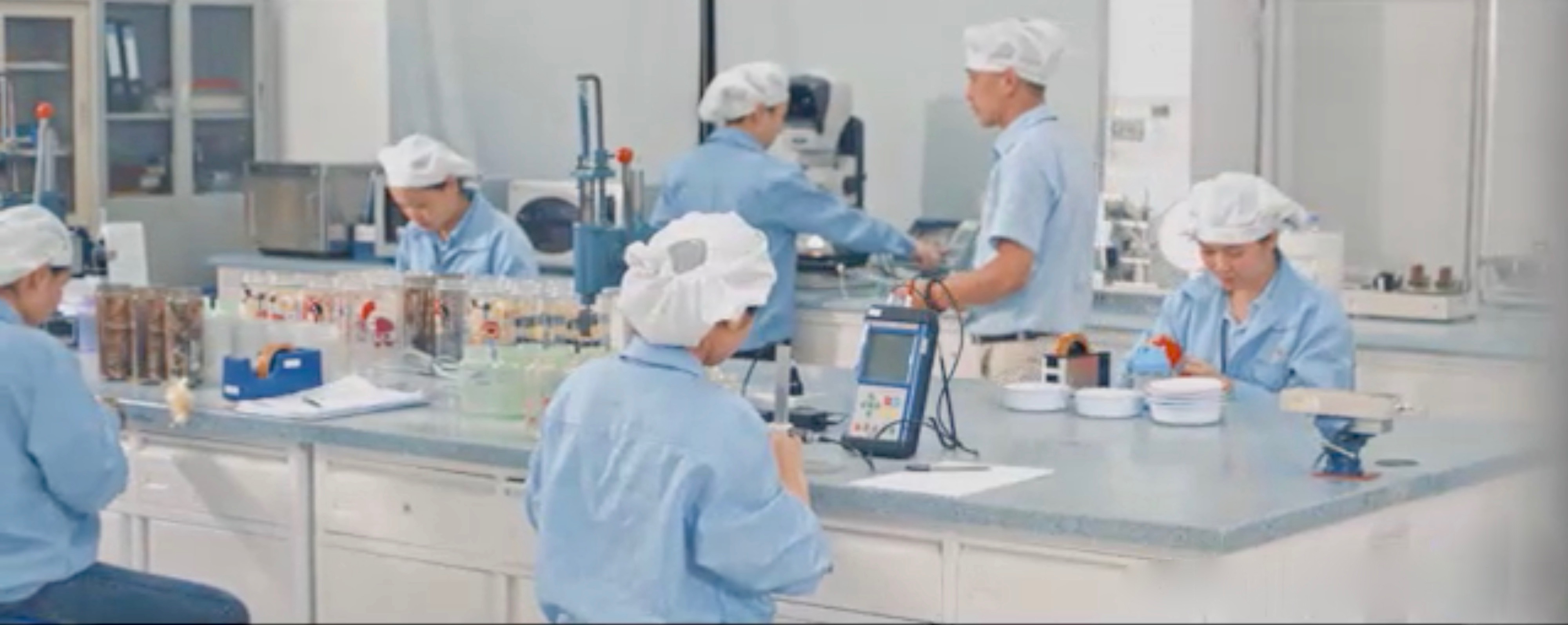
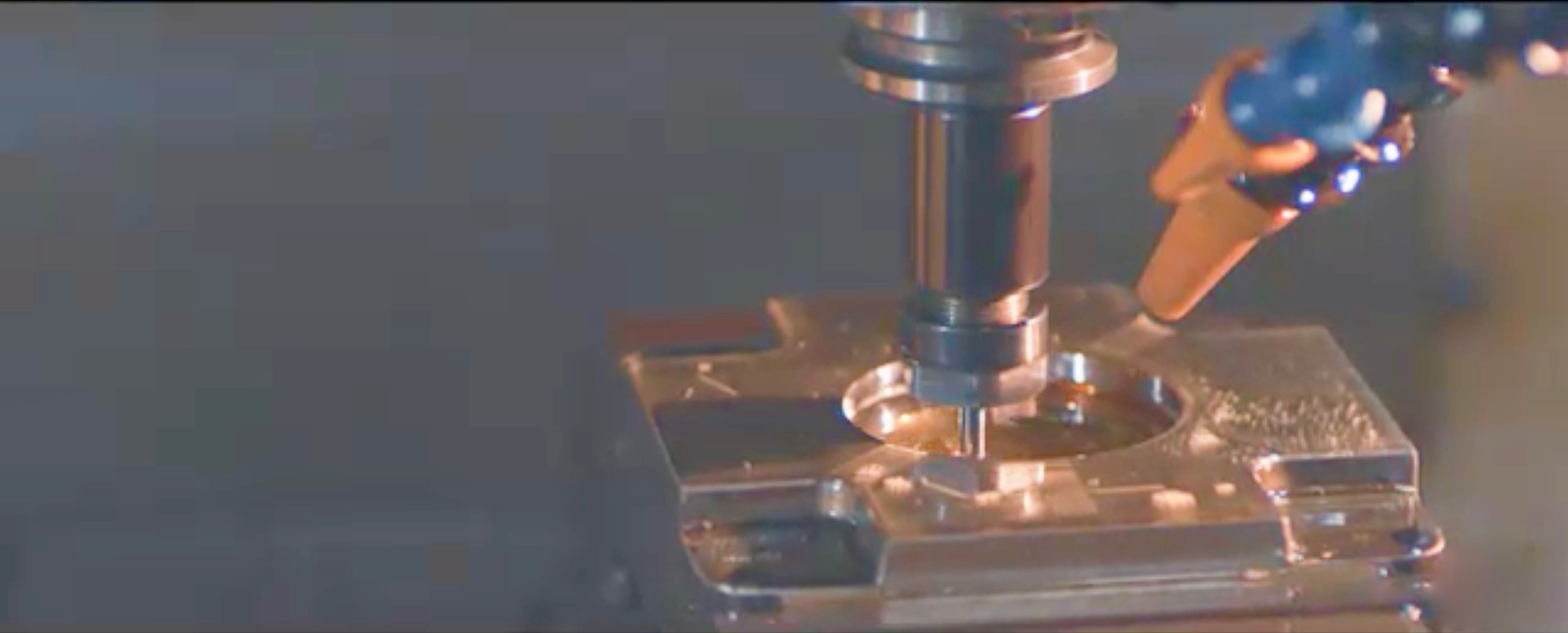
We may produce prototypes of the products for evaluation. When needed, we will arrange for the outsourcing of the production of the required moulds in accordance with our customers’ specifications to our subcontractors. After a mould is produced in accordance with our customers’ specifications, we commence a trial production using the mould to ensure its suitability for the production of the relevant products.
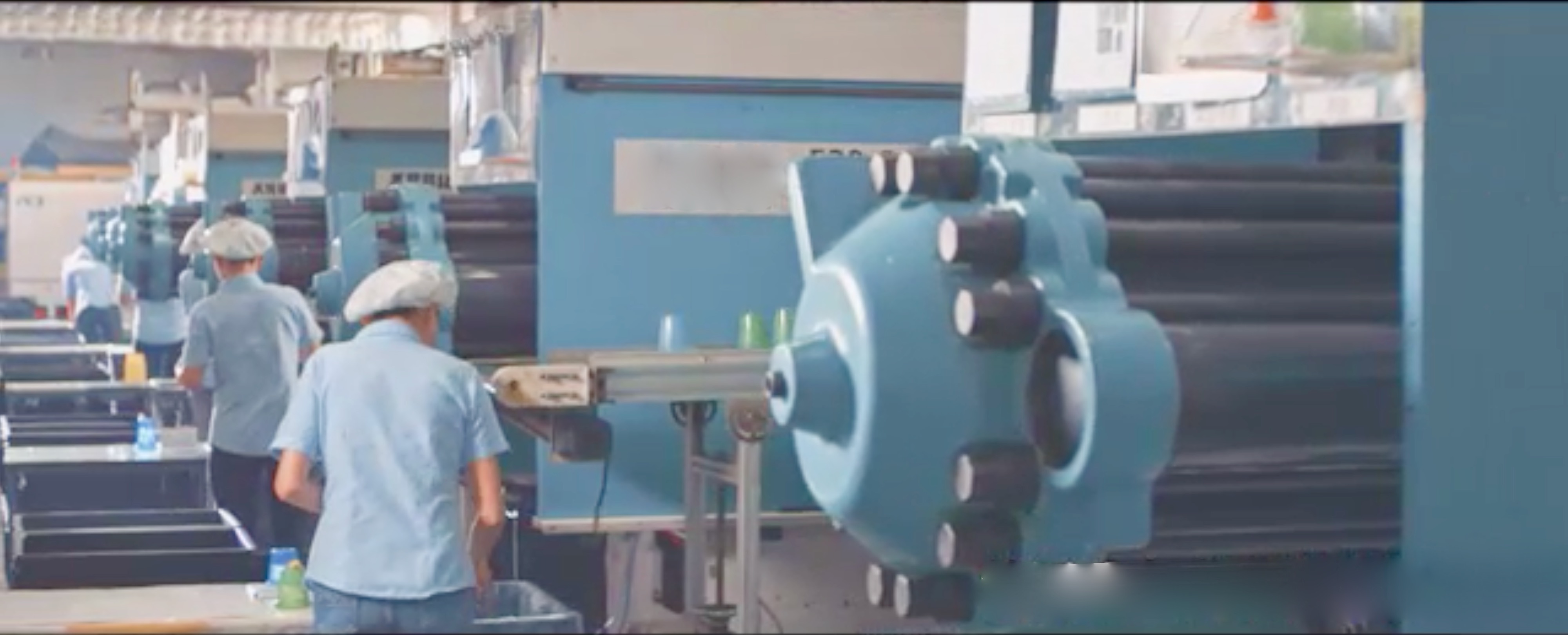
Injection moulding is a process which converts plastic resins into different shapes of plastic parts. In this process, the plastic resin is melted and injected into the cavity of the mould. The material is then solidified again to produce the desired shape.
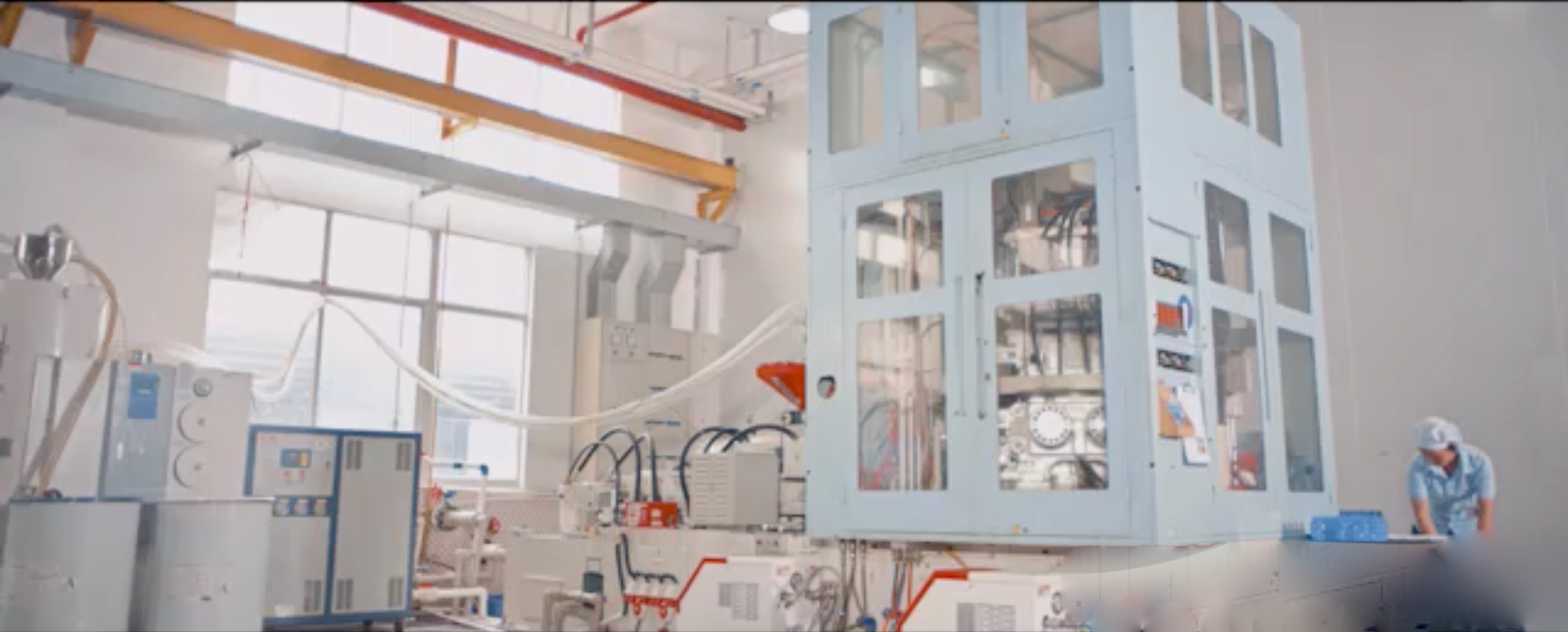
Blow moulding is a process by which hollow plastic parts are formed. The blow moulding process begins with the melting down plastic resin and forming it into a parison. The parison is then clamped into a mould and air is pumped into it. The air pressure then pushes the plastic out to match the mould.
In-mould labelling is a printing technique that enable products to be manufactured and decorated in one single process, a pre-printed label is placed in the mould and, during production, the label fuses with the molten plastic resin which then takes the shape of the mould.
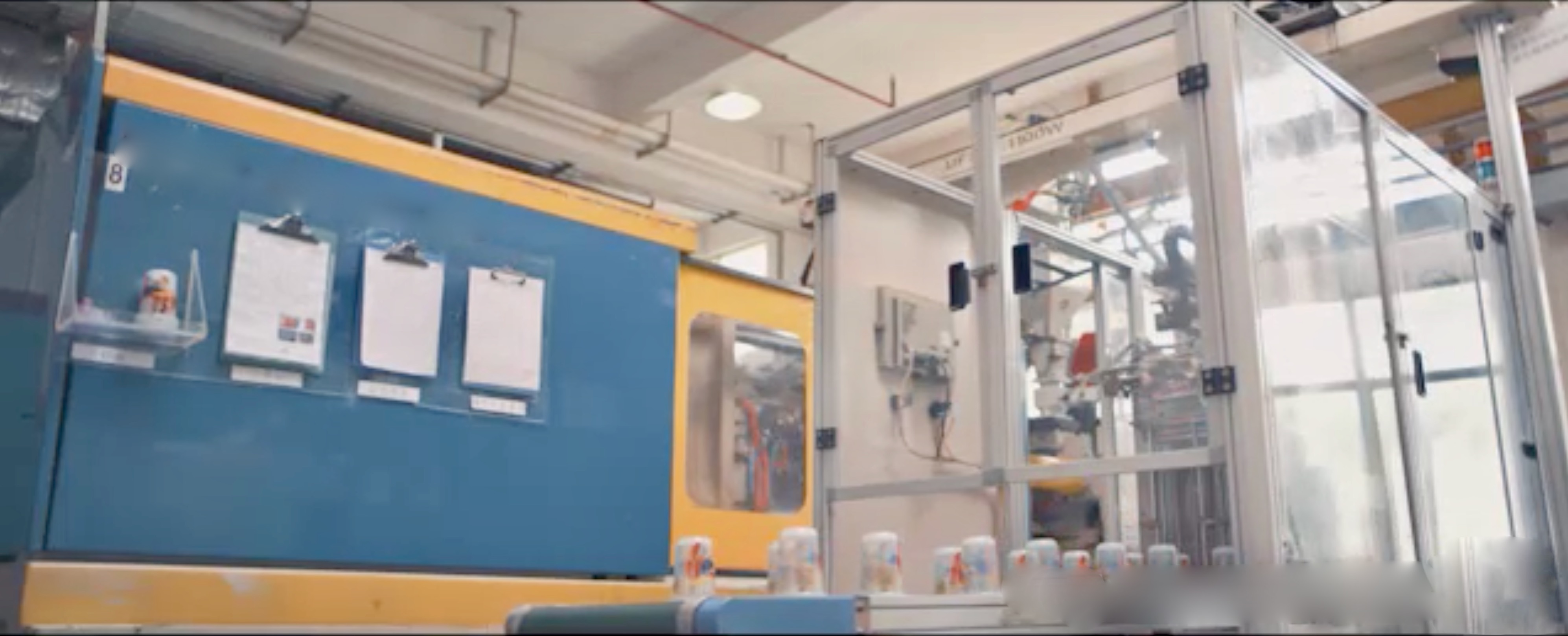
Silk-screen printing is a printing technique in which colour paint is applied on a specified area of the plastic parts using a framed screen.
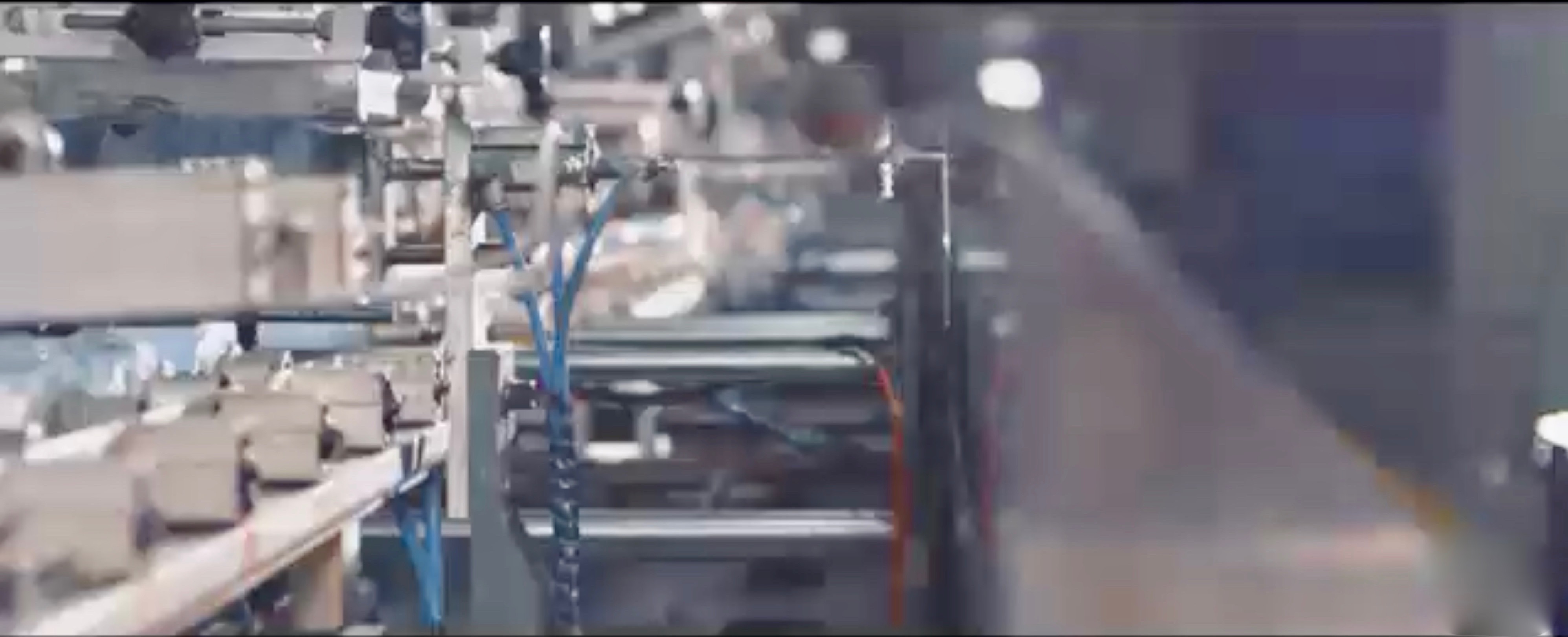
Heat transfer printing is a technique whereby graphic patterns which have been preprinted onto a special release paper is placed against the plastic part which is then subject to high temperature and pressure for a short period of time. Afterwards, the special release paper is peeled away and the graphic patterns will have been transferred onto the plastic part.
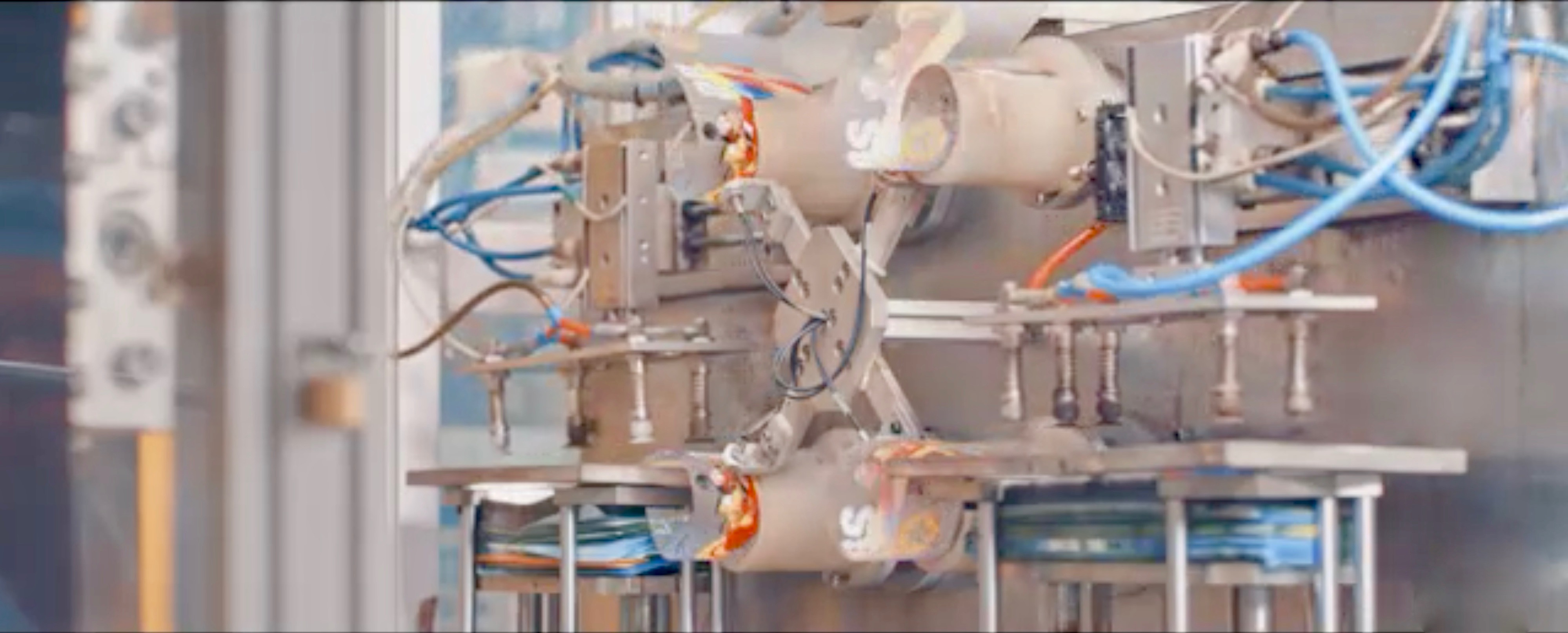
Tampo printing is a printing technique which involves transferring an image from a silicone pad to the object on which the image is to be printed. To transfer the image, the silicone pad is pressed onto an inked plate etched in the shape of the desired image and is then pressed onto the actual object. Tampo printing is generally used to print images onto irregular surfaces, such as concave and convex surfaces.
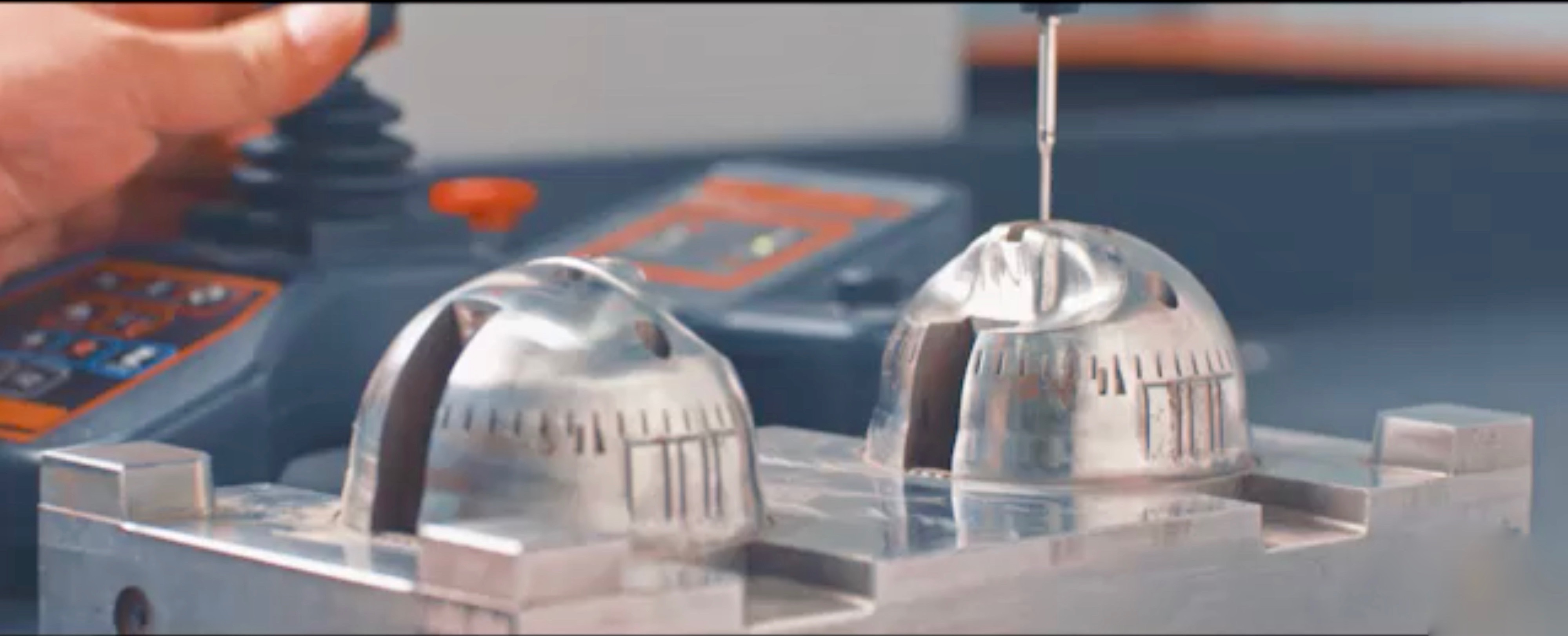
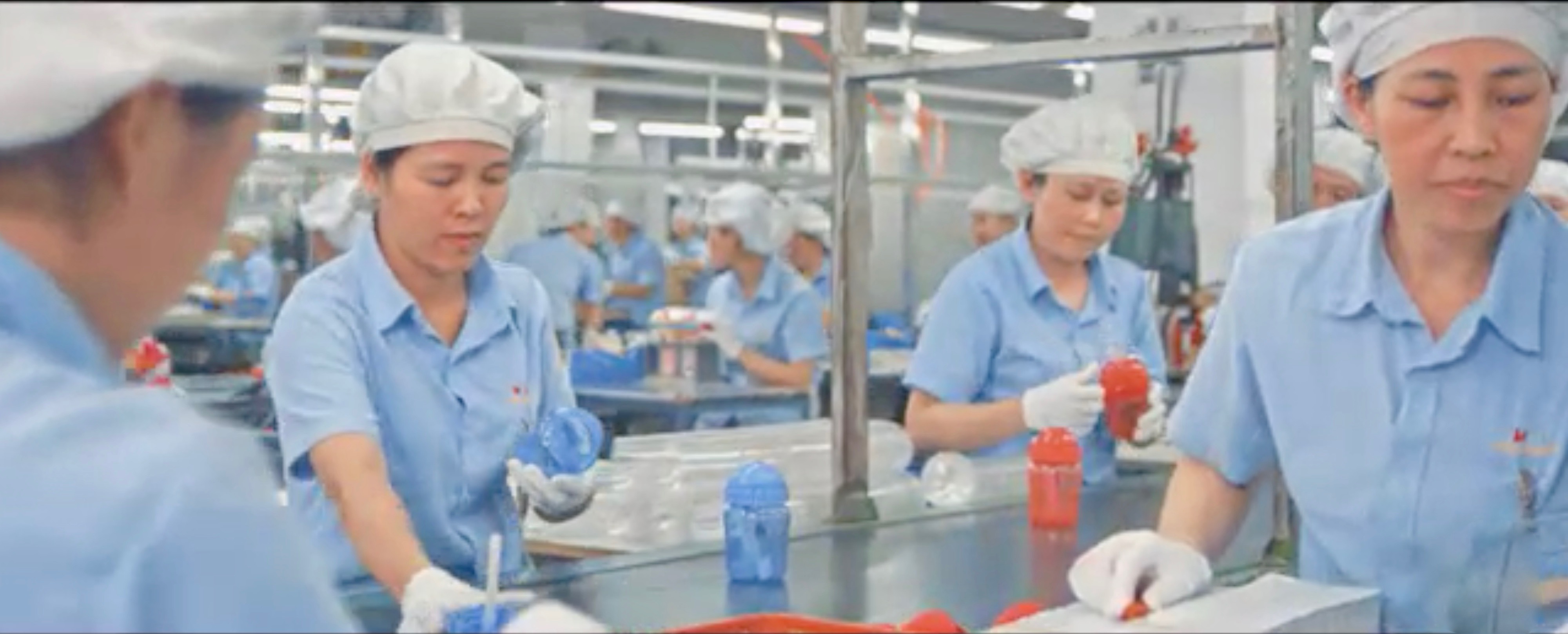
After the plastic parts have been moulded into shape and decorated, the parts will be assembled and finalised along our assembly line. Those products will further be packaged according to our customers’ requirements.
For raw materials such as plastic resins, we obtain reports from external laboratories in respect of chemical tests conducted on samples of the raw materials to ensure that the raw materials are in compliance with our customer’s standards as well as relevant safety regulations.
For semi-finished products we arrange our quality control staff to take samples directly from the production lines for physical testing. Samples of finished products are further tested by our quality control staff.